
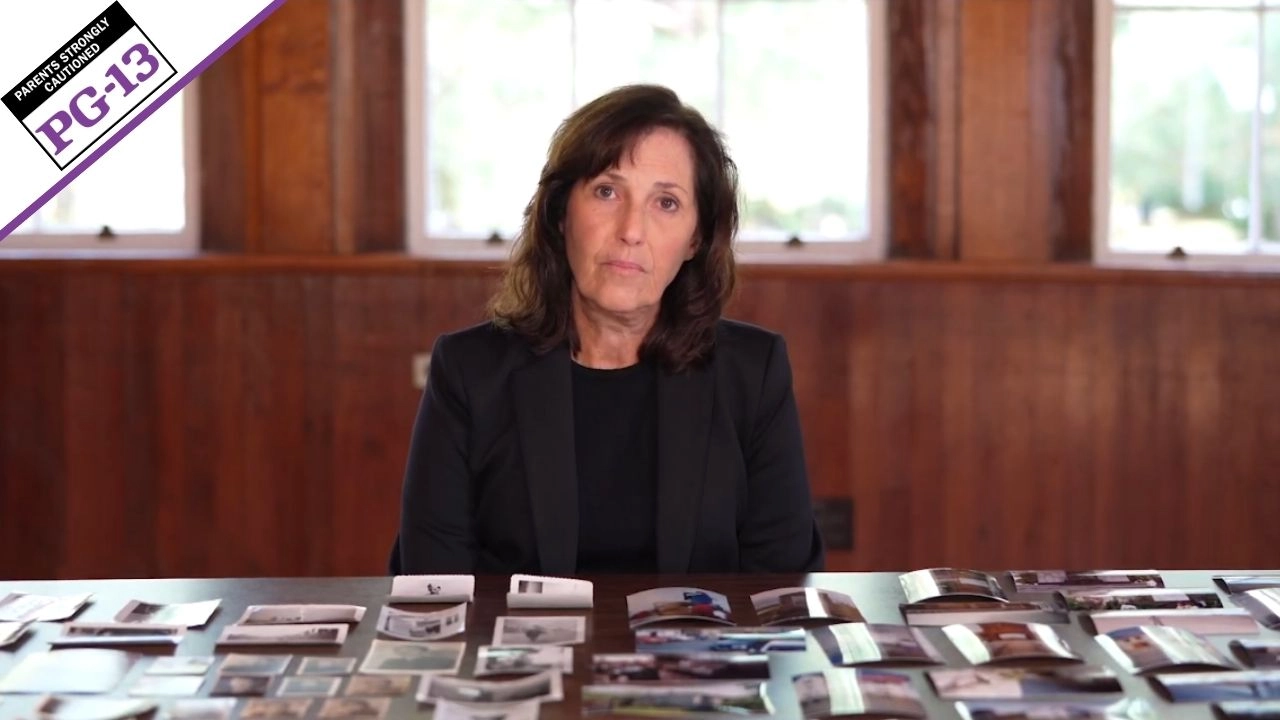
In My Father’s Words is a 2026 American documentary directed by Jacob Wise. The film is based on the life and Holocaust experiences of Lucian Salton, as explored by his daughter, author and speaker Anna Salton Eisen. Eisen also serves as an executive producer on the documentary.
The film follows Anna as she investigates her father’s past and retraces his imprisonment across ten concentration camps in Poland, Germany, and France. The story uses archival research, survivor artwork, personal testimony, 3D modeling, and animation to bring these memories to life. The documentary explores the Holocaust, family history, loss, and the way trauma can affect later generations.
In My Father’s Words is approximately 90 minutes long. It is expected to receive educational, theatrical, and streaming distribution following its festival run. The film is listed by IMDb as a 2026 United States documentary and has a PG-13 rating.
| Category | Details |
|---|---|
| Title | In My Father’s Words |
| Genre | Documentary |
| Director/Writer | Jacob Wise; Anna Salton Eisen, Aaron Eisen, George L. Salton |
| Starring | Anna Salton Eisen and others |
| Runtime | Approximately 90 minutes |
| Age Rating | PG-13 |
| Release Date | 2026 |
| Distributor | Anna Salton Eisen LLC. / Educational, theatrical and streaming distribution |
In My Father’s Words Age Rating
In My Father’s Words is rated PG-13 for thematic and violent content involving the Holocaust. The documentary deals with genocide, concentration camps, imprisonment, executions, starvation, persecution, death, and human suffering. These subjects are presented through historical research, personal testimony, artwork, archival material, animation, and 3D modeling.
The PG-13 rating means that some material may not be suitable for children under 13. Parents are strongly encouraged to learn about the film’s subject matter before allowing younger teenagers to watch it. The Holocaust is a serious and disturbing subject, and some of the historical material may be emotionally difficult even when it is presented for educational purposes.
Is In My Father’s Words Suitable for Kids?
In My Father’s Words is not suitable for young children. The documentary focuses on the Holocaust and includes discussions of genocide, concentration camps, executions, starvation, imprisonment, and the loss of family members. These are difficult subjects that may be too upsetting for younger viewers.
For teenagers, the film may be appropriate when they have enough understanding of World War II and the Holocaust. Younger teens should watch with parental or teacher guidance, while older teens may be better prepared for the serious historical and emotional themes.
Age-by-Suitability Table
| Age Group | Suitability |
|---|---|
| Ages 3-7 | No, not suitable for young children. |
| Ages 8-12 | No, not recommended for this age group. |
| Teens (13-15) | With guidance; some material may be emotionally difficult. |
| Teens (16-17) | Yes, with caution. |
| Adults | Yes, suitable for mature audiences. |
In My Father’s Words Parents Guide
- Sex & Nudity: In My Father’s Words does not have sexual content or nudity as a major concern. The documentary is focused on Holocaust history, family memories, persecution, survival, and the effects of trauma.
- Violence & Gore: In My Father’s Words contains strong historical themes involving violence and human suffering. The documentary discusses concentration camps, executions, starvation, physical abuse, imprisonment, genocide, and the persecution of Jewish people during the Holocaust. Historical photographs, survivor artwork, animation, and 3D modeling may make some events more difficult to watch.
- Profanity: In My Father’s Words has little indication of frequent profanity. The documentary’s language is mainly serious and reflective. Personal testimony may include expressions of grief, fear, anger, or despair.
- Alcohol, Drugs & Smoking: In My Father’s Words does not have alcohol, drugs, or smoking as a major content concern. The documentary’s focus is on historical events and the personal story of a Holocaust survivor and his family.
- Frightening & Intense Scenes: In My Father’s Words can be emotionally intense. Discussions of genocide, death, concentration camps, starvation, imprisonment, family loss, and human cruelty may be upsetting. The film also explores the lasting effects of Holocaust trauma and how those experiences can affect later generations.
Tips for Parents
Parents and teachers should explain the basic history of the Holocaust before watching In My Father’s Words with younger teenagers. It may also help to discuss the film afterward, especially its themes of antisemitism, persecution, survival, family memory, and intergenerational trauma.
Because the documentary deals with real historical suffering, parents should consider the child’s age and emotional maturity before watching it together.
In My Father’s Words Official Trailer

In My Father’s Words is expected to receive educational, theatrical, and streaming distribution following its festival run. The supplied information does not confirm a specific streaming service or streaming release date yet.
FAQs
What is the age rating for In My Father’s Words?
In My Father’s Words is rated PG-13 for thematic and violent content involving the Holocaust. The rating reflects the film’s serious discussions of genocide, concentration camps, executions, starvation, imprisonment, and human suffering.
Is In My Father’s Words suitable for kids?
In My Father’s Words is not recommended for young children because it deals with the Holocaust, genocide, death, concentration camps, and severe human suffering.
Is In My Father’s Words suitable for teenagers?
In My Father’s Words can be suitable for mature teenagers aged 13 and older with guidance. Older teens may be better prepared for the documentary’s historical and emotional subject matter.
Does In My Father’s Words contain violence or disturbing content?
Yes, In My Father’s Words discusses serious violence and suffering connected to the Holocaust, including executions, starvation, imprisonment, abuse, genocide, and death. Some archival material, artwork, and visual recreations may also be difficult to watch.